






auro

Small models, on the clinician’s own device.

They run next to the record, not on a server. The first one every request meets is the router: it reads one line and sends it to the one tool that fits. It runs here, in your browser. Ask it something a clinician would.

Runs on your device. Nothing you type is sent anywhere. The first run downloads the router (68.9 MB) from auro’s model server, once; your browser keeps it.

98.9%

of the requests it chose to send went to the right tool

96.8%

right overall, on 124 sealed requests

~50 ms

a request, in a browser

The sealed set was written by the person who set the labelling rules, so treat it as optimistic. When it is not sure, it does not guess: the request goes to the planner.

No. 02

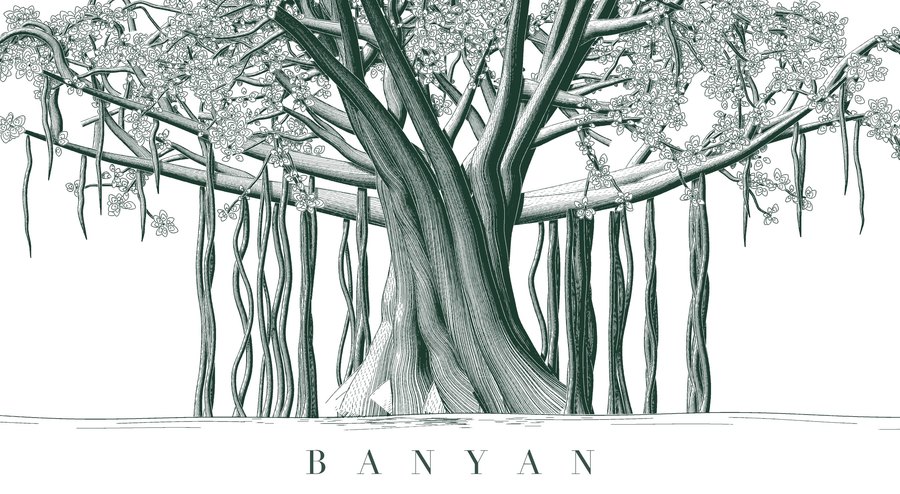
Banyan 0.2.3

Runs in your browserMedical translator, English and Spanish
Clinic Spanish, both directions, in the clinician’s browser. Numbers, doses, times and phone numbers are locked before the model runs and put back after, so they cannot drift.

Runs on your device. Nothing you type is sent anywhere. The first run downloads that direction’s model (about 120 MB per direction) from auro’s model server, once; your browser keeps it.

76.04chrF

English to Spanish on 700 sealed MedlinePlus passages, measured through the browser exactly as it runs above. Spanish to English: 76.46.

74.08chrF

MADLAD-400 3B, the server model it learned from, on the same passages. It weighs 2.95 GB. Opus-MT base, where it started: 73.77.

~120MB

to download per direction, about one twenty-fifth of the 3B model, and it runs in a browser tab.

Download, drawn to scale

auro translator v2.3, one direction~120 MB
MADLAD-400 3B, int82.95 GB

MedlinePlus chrF, English to Spanish, bars from zero

auro translator v2.376.04
MADLAD-400 3B74.08
Opus-MT base73.77

Where it loses: on general-purpose text (FLORES) the 3B model is ahead, 56.27 to 54.88 chrF English to Spanish, and Spanish to English the base model edges it too. On our in-house dose tests and the English to Spanish negation test (fictional, written by our team) the 3B model also scores higher. In the product every translation waits for a clinician, who sees the original beside it and a read-back.
No. 03

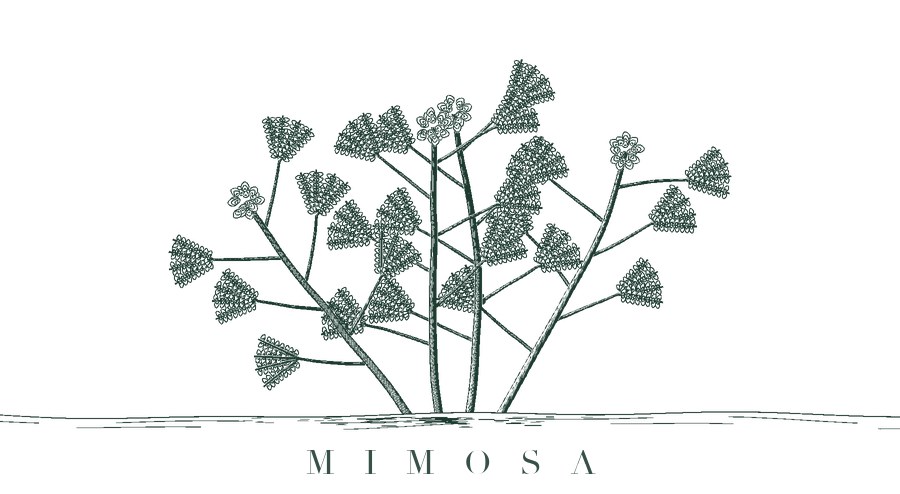
Mimosa 0.1

Runs in your browserPrompt-injection screener

Patients write food logs, messages and intake answers. That text is data about the patient, never orders for the assistant. Anything that reads as an order is held: shown to the clinician, quoted, never acted on.

Runs on your device. Nothing you type is sent anywhere. The first run downloads the screener (49.8 MB) from auro’s model server, once; your browser keeps it.

93.9%

of held-out injection attempts held, rules and model together (rules alone: 43.2%), with 2.6% of ordinary messages held by mistake. Synthetic tests: optimistic.

0of 2,000

ordinary medical questions held (MedQuAD and PubMedQA).

91.7%

of a public injection test set held (deepset), with 1.8% false holds.

English only for now: it holds ordinary Spanish too often, so Spanish text gets the rules alone and the model reads the English translation. The rules always run first, and the model can only add a hold, never lift one.

No. 04

Lithops 0.1

Recorded runDe-identifier

Before any note, transcript or message becomes training or analytics data, it strips the names, dates, numbers and places. One identifier left behind fails the whole batch.

A real run, replayed: deid.py on our laptop, 9 October 2026, on these two fictional notes, all four layers. It does not run in a browser: its clinical name-finder was trained on research data under a use agreement, so it stays on our own hardware until counsel signs off. Making this page, a first draft of the visit note wrote “Austin TX 78704” without a comma, and that run left the city and ZIP in. We changed the note and are adding the pattern.

99.4%

of identifiers removed, on 400 synthetic documents (2,227 identifiers). 96.8% of documents with nothing left.

Synthetic test documents: optimistic until it is re-scored on real notes on our own hardware. Known misses: spoken birthdays with no cue word, bare family first names in odd phrasing, a lowercase “dr surname”.

No. 05

Dionaea 0.1

Product footageEvidence engine

Answers a clinical question from the published literature, and keeps a fact only when its numbers, study design and citation check out against the source. Facts that fail are dropped, never shown.

Recorded from auro’s evidence answers. Real published papers; each card shows its study type and one fact. Evidence answers are in testing.

82.6%

of the facts it read from 102 held-out abstracts passed the evidence check. The same base model without our training: 0%.

99%

of its answers are valid, structured output a program can check.

29–37 s

to rank 30 papers in a browser today. Too slow, which is why this one is footage, not a live demo.

Eight more, same rules.

One number each, from a test it never trained on.

No. 06
Daphne, engraved

Daphne 0.2

Document and fax reader

Faxes, referrals and insurance cards become typed fields, each with the box on the page it came from. Unsure, it asks a person.

0.41%

of fields wrong and not flagged, on 144 sealed fictional pages (first round 1.29%). On layouts it never saw: 79.3% exact, 30% sent to a person.

Browser · 49.7 MB

No. 07
Helianthus, engraved

Helianthus 0.2

Planner

When no single tool fits, it writes the plan step by step. Every write it plans waits for a person.

1.98 s

median per plan on the clinician’s own graphics chip, 100% valid against the schema. Exact match to the expected plan: 56.5%. Follow-ups are weak.

Browser · 289.5 MB

No. 08
Campanula, engraved

Campanula 0.1

The voice

Today speaks its replies aloud on the device. Nothing is sent to a speech service.

0.55–0.65 s

median to the first word on a laptop. Phone timing not measured yet. Kokoro’s open weights, our pronunciation layer.

On the device · ~102 MB

No. 09
Armillaria, engraved

Armillaria 0.1

Records search

Finds the note you mean, not just the words you typed.

88.1%

first result right, on 1,600 questions over fictional notes (keyword search 33.8%). Off by default.

Browser · 18.9 MB branch

No. 10
Wolffia, engraved

Wolffia 0.1

Next steps

After a run, ranks the two or three follow-ups worth one click.

2.6 KB

the whole model, weights and all. Trained on simulated choices so far.

Browser

No. 11
Brassica, engraved

Brassica 0.1

Food log

Turns what a patient says about a meal into its parts.

0

nutrient numbers come from the model: every calorie is looked up in a food database. No held-out test has been run yet.

auro’s own machines

No. 12
Bryum, engraved

Bryum 0.1

Patient companion

Moss lives his own day in the patient app. He never comments on yours.

0

clips generated on the phone. Every clip is made ahead and approved by a person.

Patient iPhone

No. 13
Oenothera, engraved

Oenothera 0.1

Speech, in training

Spoken commands to text on the device: names, drugs, doses, codes and times.

40%

fewer errors on names, drugs and doses than today’s dictation: the bar it must clear before it ships.

Browser, when it passes

Every model on the device, together, is a third the size of one 3B model.

Small models do one job each, so they fit where the record already is: in the clinician’s browser and on the phone, with nothing to send to a server.

One 3B translation model (MADLAD-400, int8): 2.95 GBTranslator, both directions: 240 MBPlanner: 289.5 MBEvidence ranker: 174.2 MBVoice: 101.9 MBRouter: 68.9 MBScreener + search: 68.7 MBDocument reader: 49.7 MBDictation (Moonshine): 32.1 MB← every on-device model: ~1,025 MB, 35%
Translator, both directions · 240 MBPlanner · 289.5 MBEvidence ranker · 174.2 MBVoice · 101.9 MBRouter · 68.9 MBScreener + search · 68.7 MBDocument reader · 49.7 MBDictation (Moonshine) · 32.1 MB

Sizes are downloads (MB = one million bytes). The dictation model (Moonshine, MIT) and the evidence ranker (MedCPT) are open weights we package, not retrain. Next steps adds 2.6 KB.

The rules we hold these numbers to.

  1. Every number comes from a recorded run on a test set sealed before training and scored once.
  2. The translator is measured through the browser, exactly as it runs on this page.
  3. Where a test is synthetic or was written by the same hands as the training data, we say so.
  4. Where we lose, the page says so beside the number.
  5. No patient data is on this page. Every example is fictional.
  6. Nothing here is a medical device. Every write a model proposes waits for a person.

See them do the whole job.

A demo runs the full record on fictional patients, in your own browser.